Nurturing your flock
Welcome to Spilled Ink Acres' guide to chick care! Raising healthy, happy chicks is our passion, and we're here to share our expertise with you. These guidelines will help you provide the best possible start for your new feathered friends. Let's ensure your chicks thrive from day one!

Chick Care
🏠 Brooder Setup
-
Container: Stock tank, large tote, brooder box, or cardboard pen
-
Bedding: Pine shavings (not cedar)
-
Space:
-
Week 1: ~½ sq ft per chick
-
By 6–8 weeks: 1–2 sq ft per chick
-
-
Draft-free, dry, and well-ventilated
🔥 Heat Requirements (Very Important)
Chicks cannot regulate body temperature at first.
AgeTemperatureWeek 195°F (35°C)Week 290°FWeek 385°FWeek 480°FReduce 5°F each week until fully feathered
Heat sources:
-
Heat plate (preferred, safer)
-
Heat lamp (secure VERY well to prevent fire)
Behavior check:
-
Piling together = too cold
-
Staying far away = too hot
-
Evenly spread = just right
🍽️ Food & Water
Feed
-
Chick Starter Crumble
-
18–20% protein
-
Medicated or non-medicated both fine
-
-
Always available (free choice)
Water
-
Clean, fresh water at all times
-
Use a chick waterer to prevent drowning
-
Change daily (more often if dirty)
Optional:
-
Add electrolytes/vitamins first 1–3 days
-
No grit needed unless feeding treats
🌱 Treats (After 1 Week)
-
Finely chopped greens
-
Scrambled egg
-
Mealworms (small amounts)
⚠️ Always provide chick grit if feeding anything besides starter feed.
🧼 Cleanliness & Health
-
Change wet bedding immediately
-
Full bedding refresh weekly (or more often)
-
Watch for:
-
Pasty butt (clean gently with warm water)
-
Lethargy
-
Sneezing or wheezing
-
Limping or curled toes
-
🐥 Handling & Socialization
-
Handle gently and often after first few days
-
Speak softly to build trust
-
Chicks are social—never raise just one
🌤️ Outdoor Time
-
Short supervised outings after 2–3 weeks
-
Only in warm, dry weather
-
No cold wind or wet grass
🪶 Transition to Coop
-
Fully feathered at 6–8 weeks
-
Night temps consistently above 50°F
-
Introduce gradually if older birds present
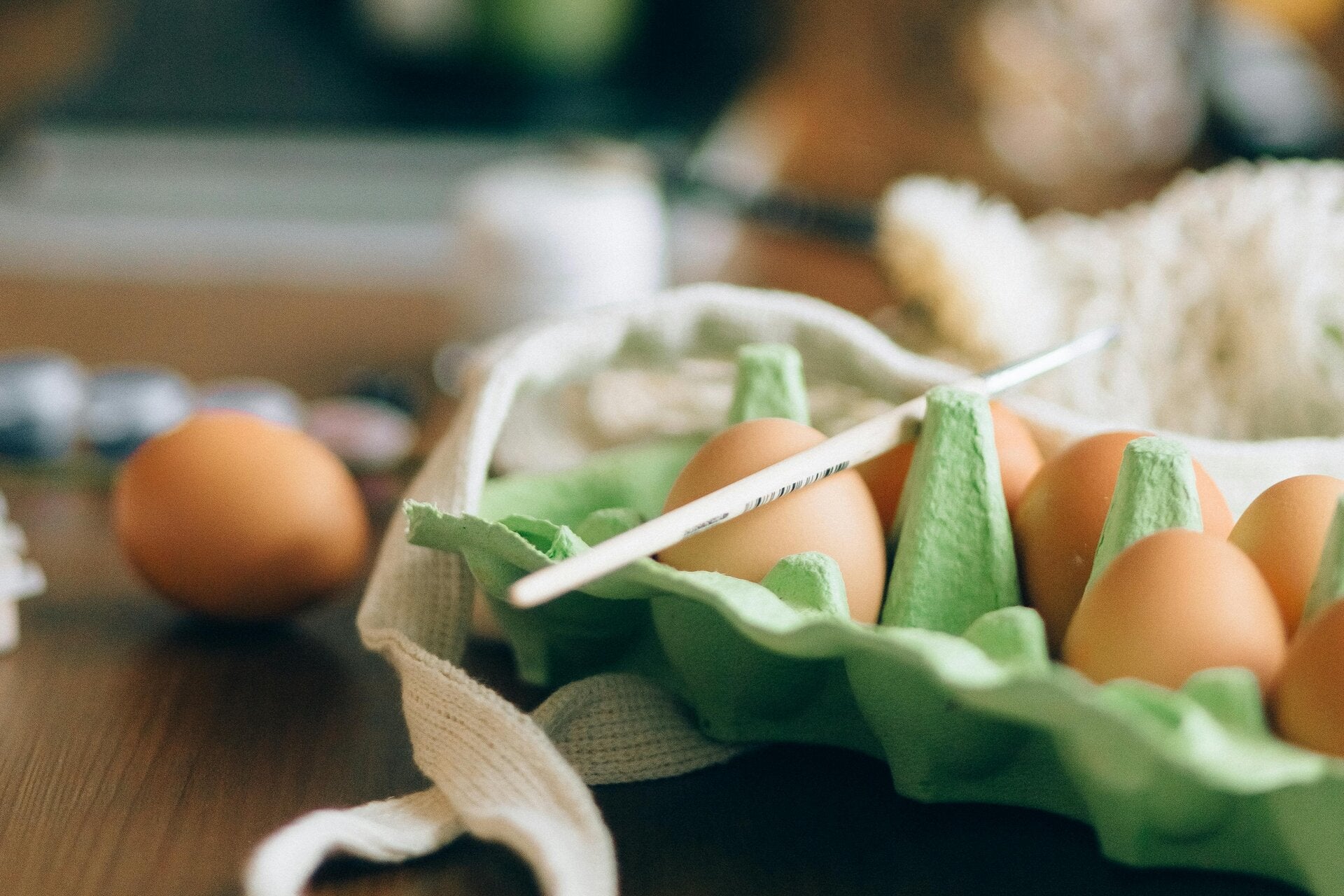
Care Guidelines for Hatching Eggs
🧼 Before Incubation
-
Do not wash eggs
-
Allow eggs to reach room temperature before setting
-
Pre-run incubator 12–24 hours to stabilize
🌡️ Incubator Settings
Temperature
-
Forced-air incubator: 99.5°F
-
Still-air incubator: 101–102°F
-
Check with a second thermometer for accuracy
Humidity
StageHumidityDays 1–1840–50%Lockdown (Days 19–21)65–70%
🔄 Turning the Eggs
-
Turn at least 3 times daily (5 is better)
-
Always rotate from side to side, not end over end
-
Stop turning on Day 18
🔍 Candling Schedule
-
Day 7: Check for veins & embryo
-
Day 10–14: Confirm growth, remove quitters
-
Day 18: Final check before lockdown (optional)
Remove:
-
Clear eggs (infertile)
-
Eggs with blood rings
-
Eggs with stopped development
🚫 Lockdown (Days 19–21)
-
Stop turning
-
Increase humidity
-
Do not open incubator
-
Chicks may take up to 24 hours after first pip to hatch
🐣 Hatching & Aftercare
-
Chicks hatch between Day 20–22
-
Leave chicks until fully dry and fluffy
-
Do not assist unless absolutely necessary
-
Move to pre-warmed brooder (95°F)
⚠️ Common Mistakes
-
Temperature swings
-
Low humidity during hatch
-
Opening incubator during lockdown
-
Overhelping during hatch
📌 Helpful Tips
-
Mark eggs with an “X” and “O” for turning
🧼 Before Incubation
-
Do not wash eggs
-
If dirty, gently dry-brush only
-
Allow eggs to reach room temperature before setting
-
Pre-run incubator 12–24 hours to stabilize
🌡️ Incubator Settings
Temperature
-
Forced-air incubator: 99.5°F
-
Still-air incubator: 101–102°F
-
Check with a second thermometer for accuracy
Humidity
StageHumidityDays 1–1840–50%Lockdown (Days 19–21)65–70%
🔄 Turning the Eggs
-
Turn at least 3 times daily (5 is better)
-
Always rotate from side to side, not end over end
-
Stop turning on Day 18
🔍 Candling Schedule
-
Day 7: Check for veins & embryo
-
Day 10–14: Confirm growth, remove quitters
-
Day 18: Final check before lockdown (optional)
Remove:
-
Clear eggs (infertile)
-
Eggs with blood rings
-
Eggs with stopped development
🚫 Lockdown (Days 19–21)
-
Stop turning
-
Increase humidity
-
Do not open incubator
-
Chicks may take up to 24 hours after first pip to hatch
🐣 Hatching & Aftercare
-
Chicks hatch between Day 20–22
-
Leave chicks until fully dry and fluffy
-
Do not assist unless absolutely necessary
-
Move to pre-warmed brooder (95°F)
⚠️ Common Mistakes
-
Temperature swings
-
Low humidity during hatch
-
Opening incubator during lockdown
-
Overhelping during hatch
📌 Helpful Tips
-
Mark eggs with an “X” and “O” for turning
All Hatching Eggs are collected within 3-4 days of purchase to ensure optimal hatch rates.
We pride ourselves here at Spilled Ink Acres on our high fertility rate and excellent hatch rates averaging 80-100% on site.
However, we cannot guarantee hatch rates you have at home due to too many variables out of our control.
Create Your Own Website With Webador